
Library
Open-source essential reading resources for Quantum Computing
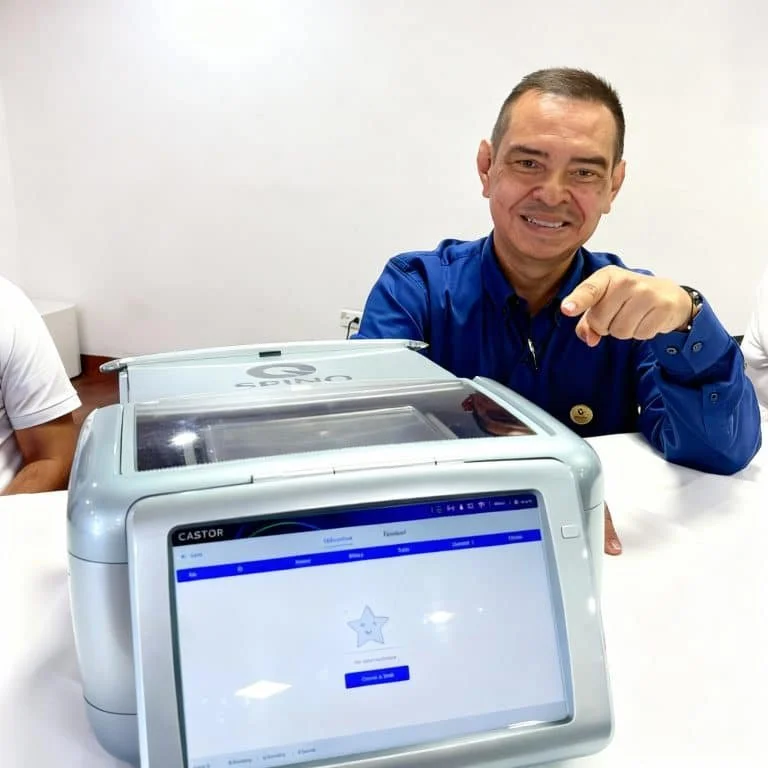
Towards the Inclusion of Quantum Computing in the Curriculum of Different Programs at UCEVA
By Alexis Yáñez, Juan Carlos Urriago Fontal, Patricia Londoño, Guillermo Vidal, Andrés Navarro Cadavid, Nelson Forero, Jose Reyes, Stella Zorrilla, Mayroby Calle, Lope Trujillo
Quantum computing is rapidly transitioning from theoretical research to practical applications, creating an urgent need for quantum-literate workforce across multiple disciplines. The urgency of this educational imperative has been emphasized by leading experts. As Peter Shor noted in MIT News, “If you wait until the last minute, when it’s clear quantum computers will be built, it’s probably too late”. Charles Tahan articulated in Scientific American that “Quantum technology is the future, and quantum computing education is STEM education... Not all of these students will end up in the quantum industry directly, and that’s the best part. They might work in business where they can make better decisions based on their understanding of the technology”.
Quantum Education & Quantum Courses:
Useful Tools & Strategies
By SpinQ
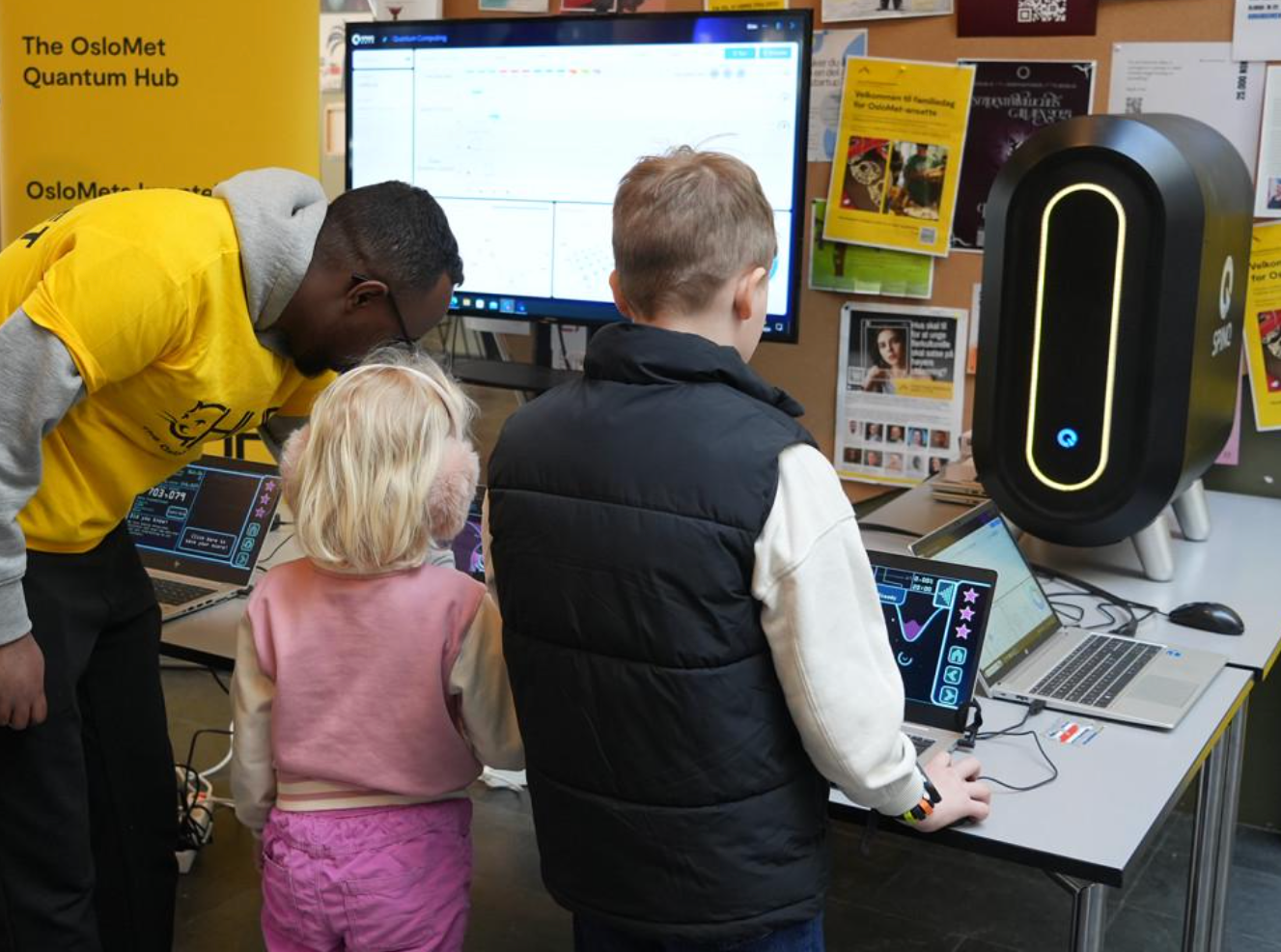
In recent years, quantum education has become a cornerstone in shaping the workforce for the emerging quantum technologies landscape. As the United States implements the National Quantum Initiative Act, educational efforts are intensifying to build a pipeline of skilled professionals.
However, teaching quantum mechanics and quantum information science presents unique challenges due to the abstract and counterintuitive nature of the subject.
This article delves into strategies and tools for effectively teaching quantum education and quantum courses, drawing on decades of experience and recent advances in quantum educational practices.
Superconducting Quantum Computing Solution
By SpinQ
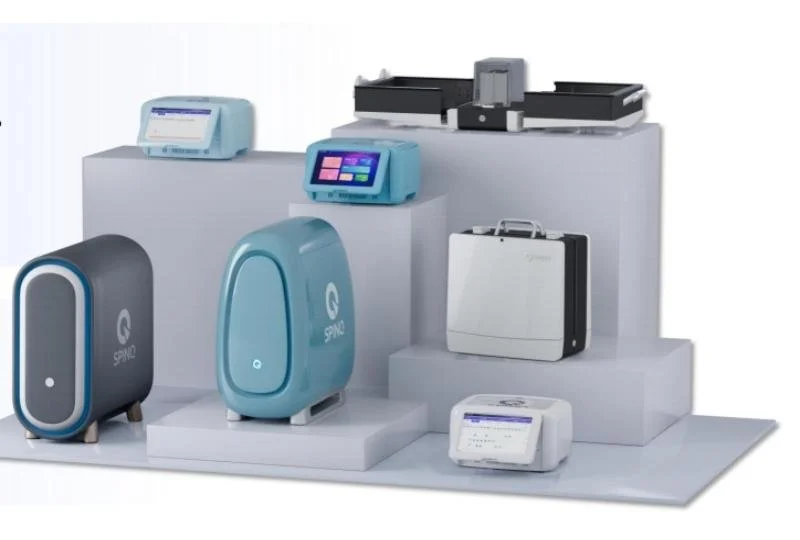
Quantum computing marks a fundamental shift in information processing. Unlike classical bits, qubits utilize superposition and entanglement to manipulate exponential computational spaces. As traditional computing nears physical limits, quantum systems offer new pathways in cryptography, material science, and AI by solving problems intractable for classical frameworks. Quantum computing does not replace classical methods but expands the boundaries of computability.
Why To Have A Quantum Computer
By Alex Krasnok, Arif Sarwat, William Anderson Jr. & Andres Gil
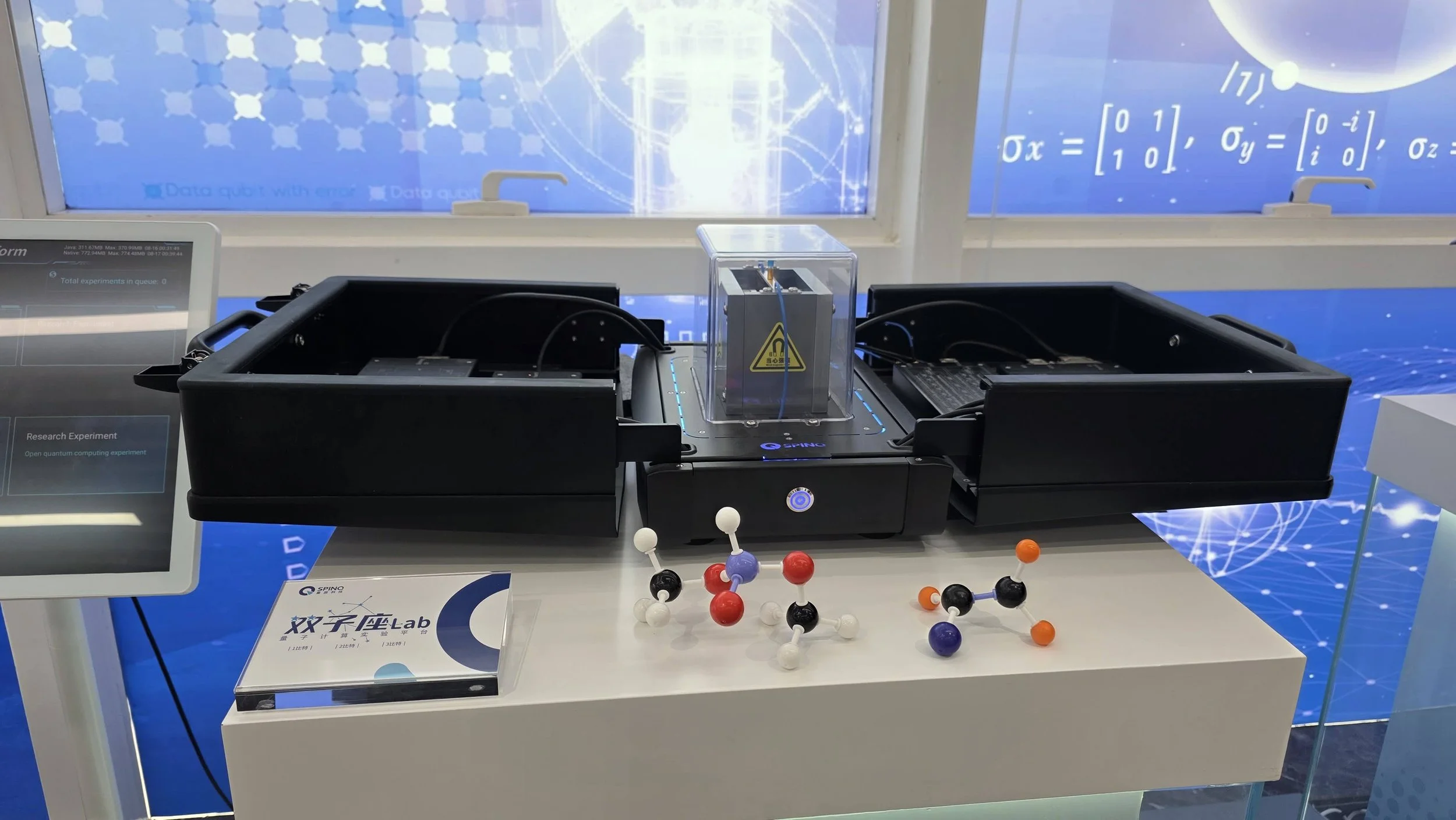
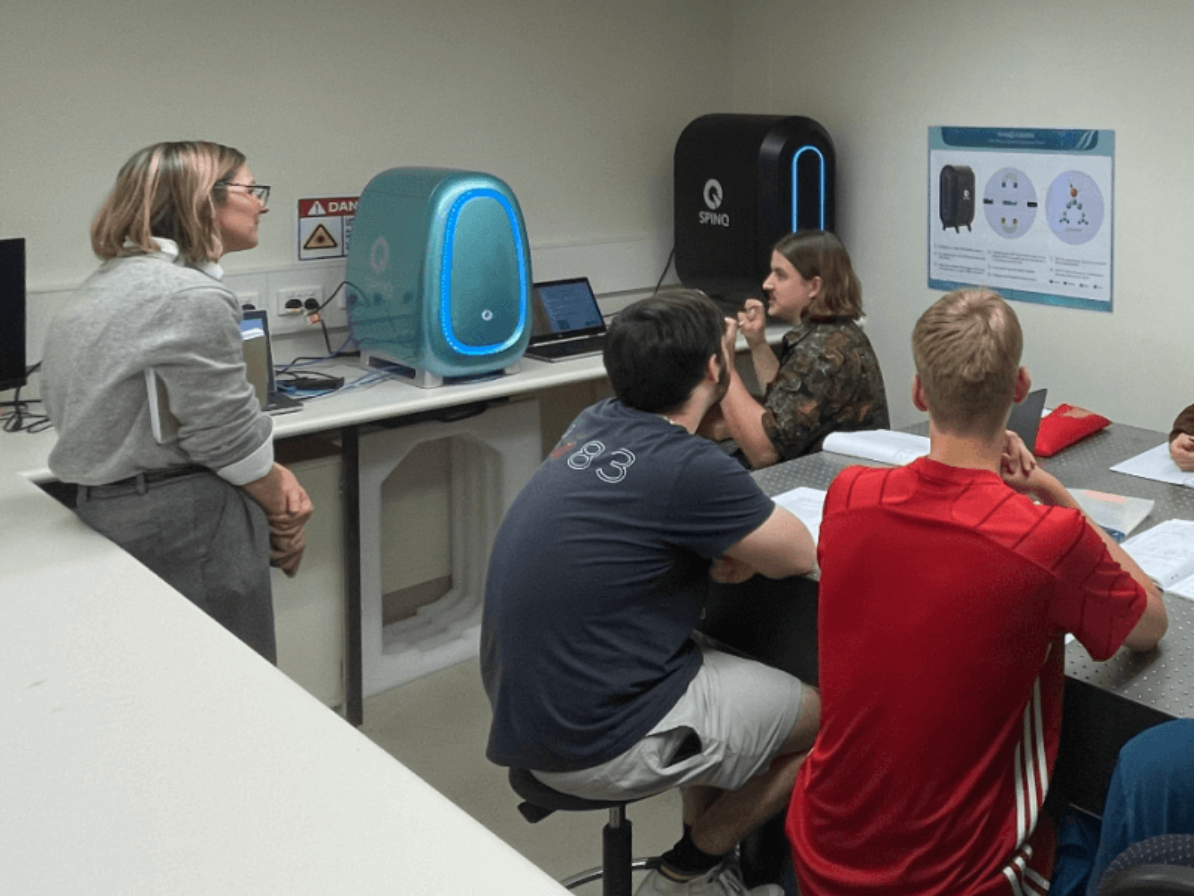
Students need to experience quantum hardware beyond cloud access to learn how an ideal circuit becomes a physical measurement. Universities should therefore procure teachable systems, not showroom machines.